01
Managing Financial Commitments
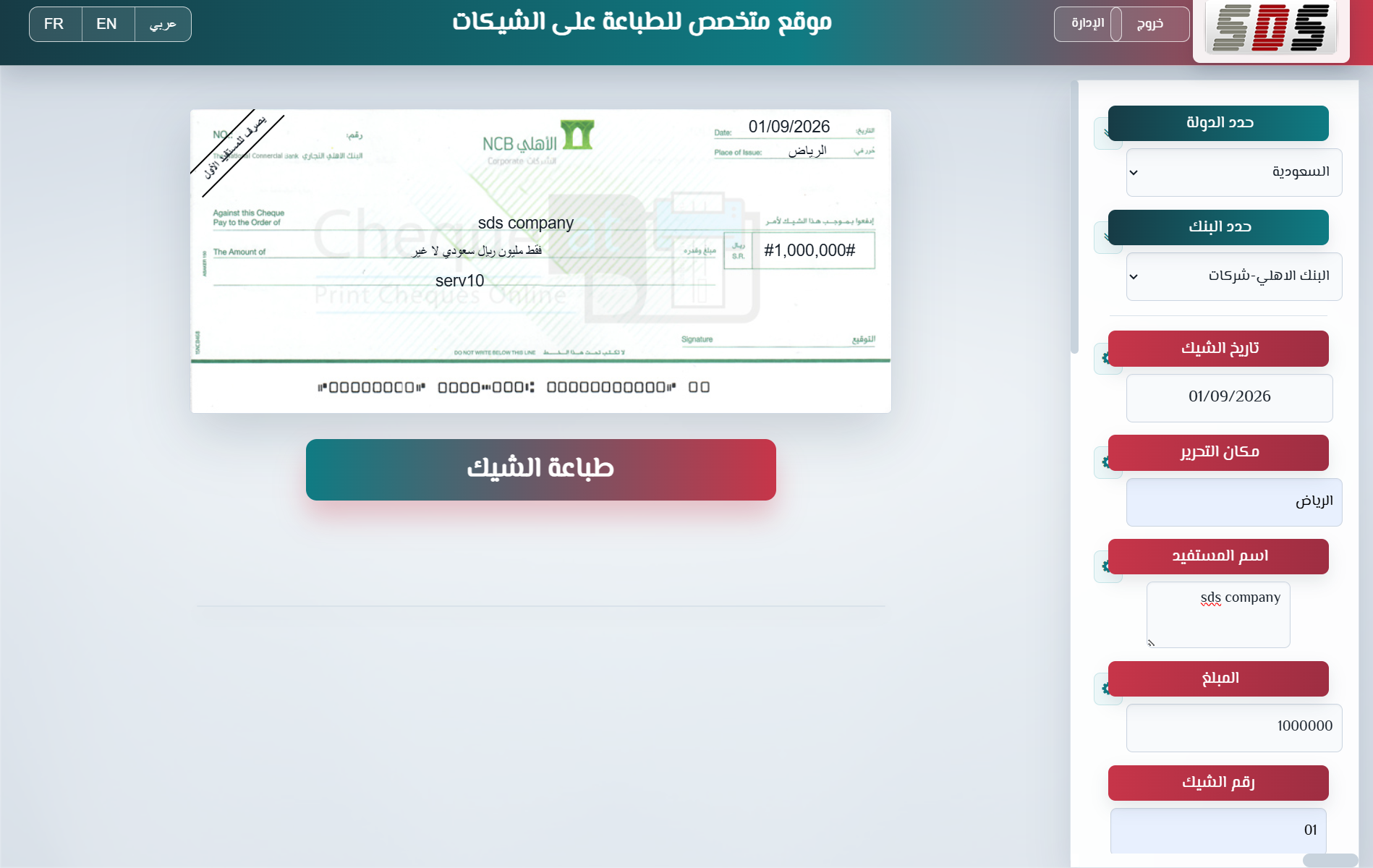
Cheques may represent future payments and financial
obligations that require careful planning. The system
helps organizations maintain better visibility over
these commitments by organizing cheque information
according to dates, accounts, customers, suppliers,
and banks. Finance teams can review upcoming obligations
and identify transactions that require attention,
supporting more effective cash-flow planning.
02
Supporting Payables and Receivables
The system can support both incoming and outgoing cheque
transactions. Organizations can maintain records related
to customer collections as well as payments made to
suppliers and other beneficiaries. Managing both sides
within one environment provides a broader view of
cheque activity and helps finance teams maintain better
control over their financial transactions.
03
Improving Follow-Up Activities
Financial teams often need to follow up on cheques that
are awaiting deposit, collection, clearance, replacement,
or further action. A centralized system makes these
activities easier to monitor by keeping transaction
information organized and accessible. Users can quickly
review the latest available information and determine
the next required action.
04
Connecting Cheques with Financial Transactions
Cheque information becomes more valuable when it is
connected with the financial transaction behind it.
The system can associate cheque records with relevant
invoices, payments, customers, suppliers, accounts,
or other business transactions. This improves
traceability and allows users to understand the complete
financial context of each cheque.
05
Supporting Accurate Financial Records
Maintaining cheque information through spreadsheets
and manual records can result in missing data,
outdated information, duplicate entries, or tracking
difficulties. A structured digital solution provides
a consistent environment for recording and updating
cheque information, helping organizations maintain
more accurate and reliable financial records.
06
Simplifying Financial Reporting
Organized cheque data can provide valuable information
for financial analysis and management reporting.
Users can review cheque activities based on different
criteria and obtain a clearer understanding of
outstanding transactions, completed activities,
upcoming obligations, and cheque movements across
customers, suppliers, and bank accounts.